
History
In 2013, three Christian colleges merged under the brand name NLA University College. The University College in Staffeldtsgate in Oslo, Mediehøgskolen Gimlekollen in Kristiansand, and NLA University College in Bergen became a larger and more robust university college for the future.
Music education in Staffeldtsgate
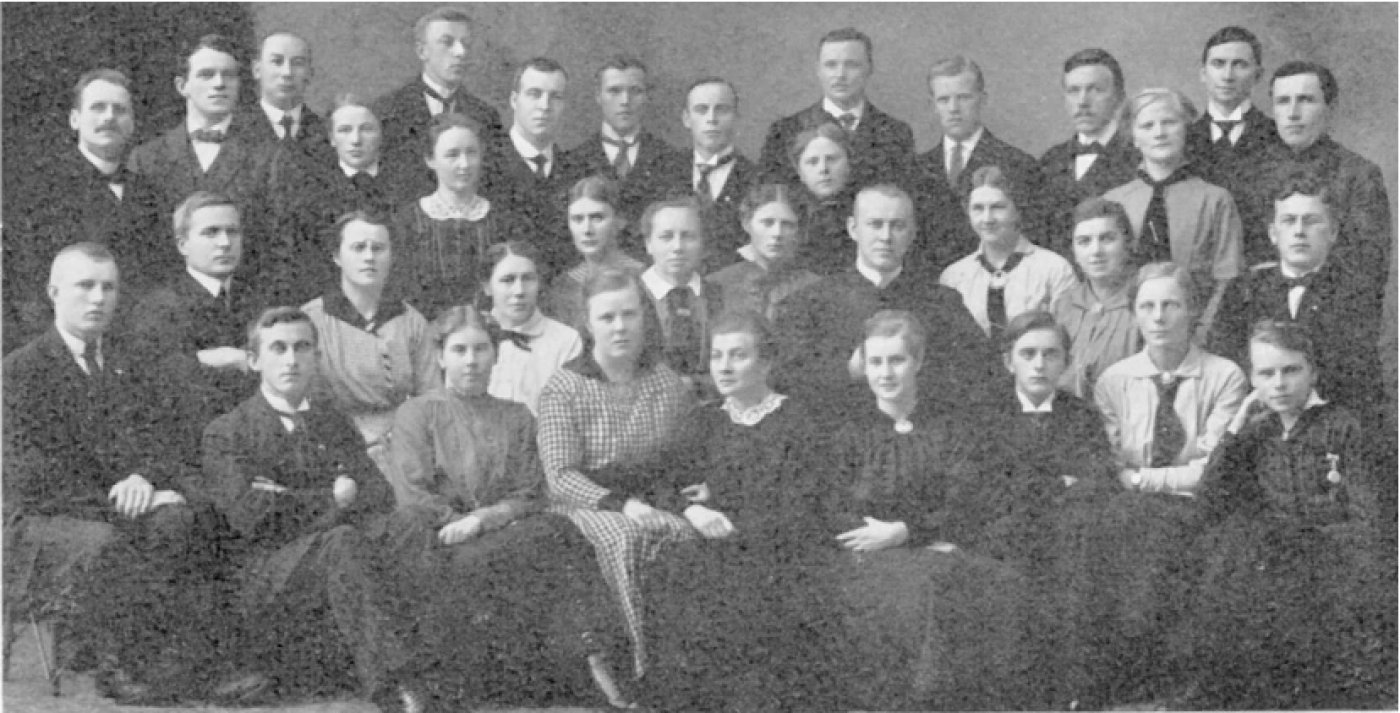
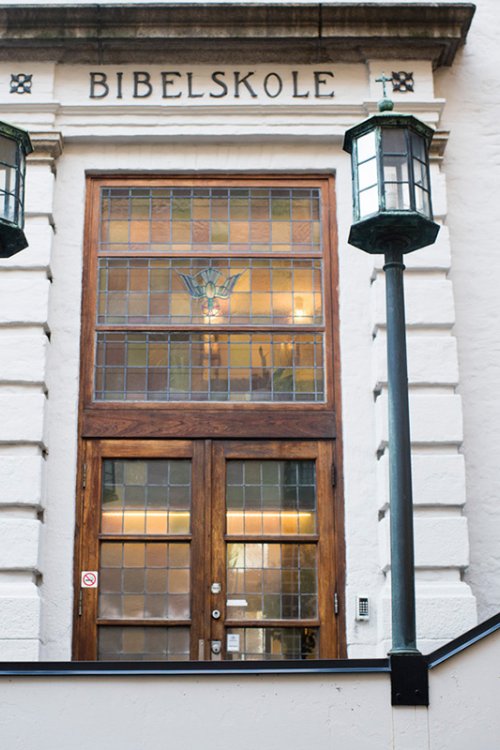
The history in Staffeldtsgate in Oslo goes all the way back to 1916, when the Inner Mission's Bible School in Oslo started up. And it was here, in the middle of prayer house spirit and curious creative joy, that rhythmic music gained a foothold in the 1970s – long before it was common to hear drums and electric bass in the church room.
The initiator was Trond Andersen – a young, musically educated enthusiast who in 1969 began to offer choir and music lessons for the Bible school students. The response was overwhelming. In a short time, the offer was expanded from voluntary choir rehearsals to a fully-fledged music line. It was the start of an environment that would come to characterize Norwegian church music and rhythmic music in the decades that followed.
From the very beginning, the quality was high. Teachers such as Trond Andersen, Peter Sandwall and Tore Aas (later known from Oslo Gospel Choir) set the standard and built up a professional environment with both professional substance and musical warmth. The combination of musical skill, faith communication and close fellowship at the boarding school created what many refer to as the "Staffeldts bubble" – an environment of young people who dreamed, played, sang and grew together.
Throughout the 1980s and 90s, Staffeldtsgate became a symbol of rhythmic Christian music in Norway. The school educated generations of musicians who have since characterized both church music, TV productions and the Norwegian pop and gospel industry. Today you can find "Staffeldts musicians" in almost every band on Norwegian stages.
University college status and merger
Music education in Staffeldtsgate has always had rhythmic music as its hallmark. It started as a daring initiative at a time when drums in the church could cause headaches – and has ended up as a highly recognized part of NLA University College in Oslo, with bachelor's and master's programs in rhythmic music. After almost 60 years, the legacy stands strong: a school that has not only educated talented musicians, but good people – and left clear traces in Music Norway.
When the Bible School gained university college status in 2004 and the name Høgskolen i Staffeldtsgate, and later merged with NLA University College in 2014, they brought with them the ideals from the Bible school tradition – close follow-up of the students, warm relationships and a focus on seeing the whole person. This also became the trademark of the new educations that were started at the university college around the merger: Primary school teacher education and economics and management studies under the name Hauge School of Management.
Caption

Journalism Education in Kristiansand
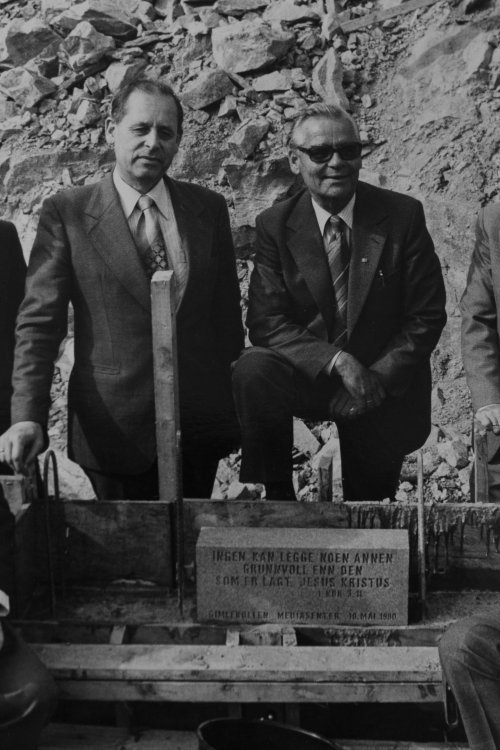
The story begins in the 1970s. The Norwegian Lutheran Mission Association had bold visions and desires to educate journalists who could unite faith, social responsibility, and professional journalism to work in both the local press and Christian media – under the motto "media in the service of mission". The land at Gimlekollen was given as a gift, and with massive voluntary work from mission friends, the impossible became possible. In 1981, the school was approved and received its first 50 students the same year.
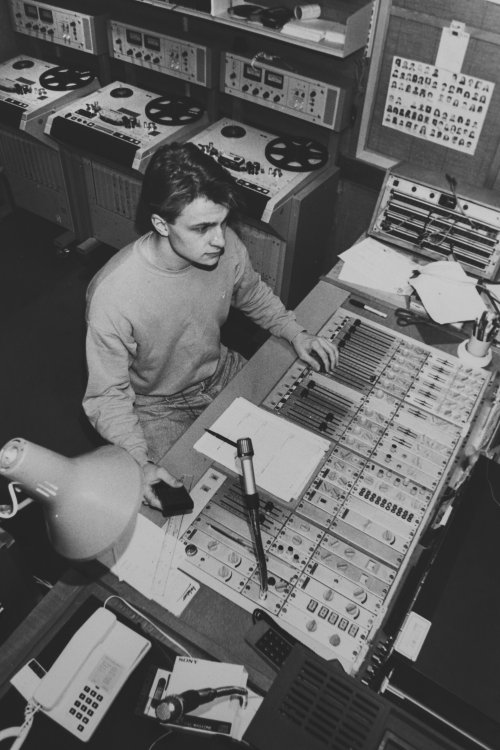
The first principal, Asbjørn Kvalbein, drew inspiration from media studies in the USA, and as early as 1982, the school was granted a license for Gimlekollen Radio – the country's second local radio station.
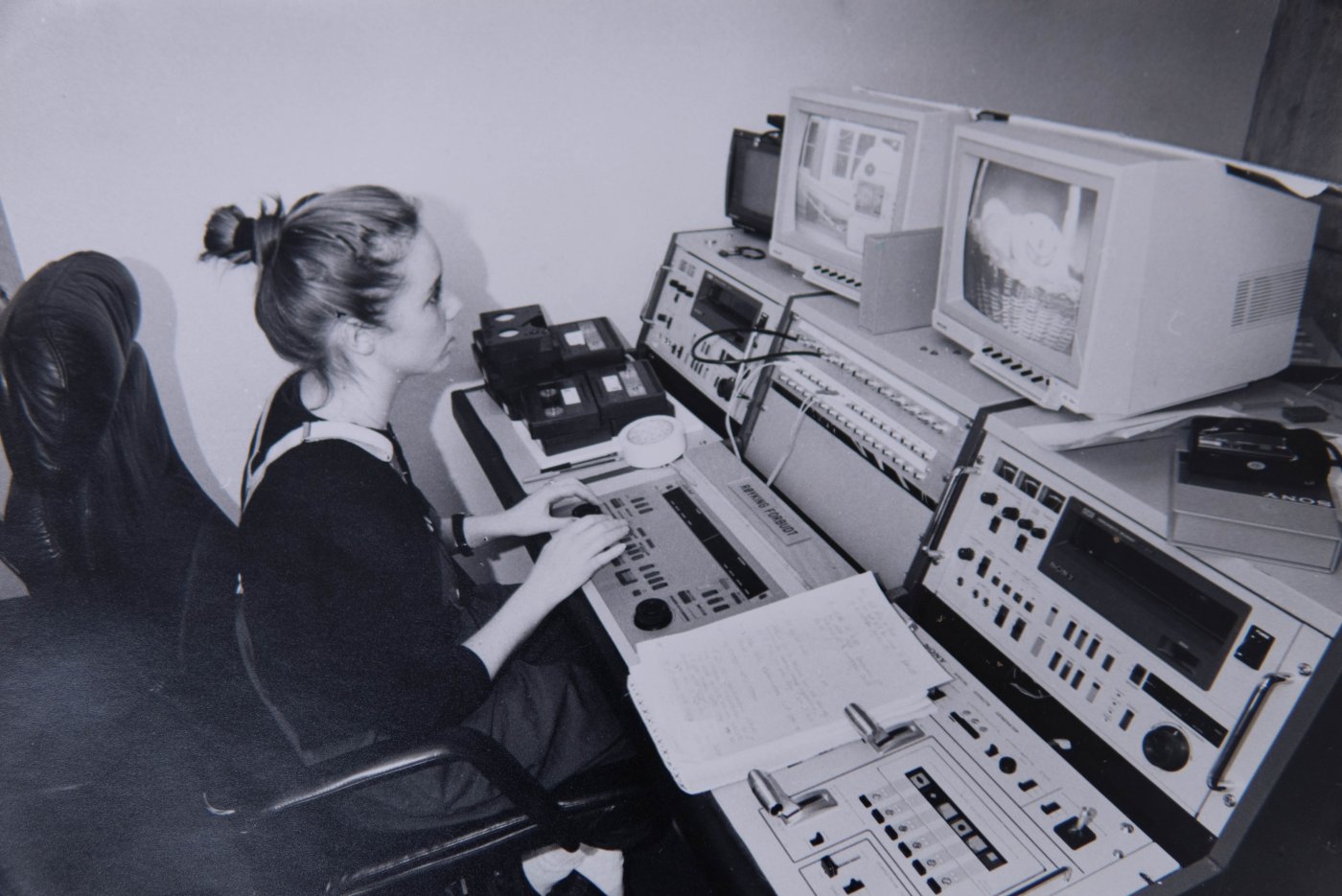
The education was innovative. Students received training in newspapers, radio, and TV, but also in theological subjects and social understanding. With dormitories, choirs, meetings, and media production far into the evenings, a close and vibrant learning environment grew.
Throughout the 1980s and 90s, Gimlekollen became a sought-after education. When TV 2 started in 1991, almost an entire class went straight into the editorial team. The first accreditation came in 1996, the school gained university college status, and Mediehøgskolen Gimlekollen became a unique, value-based academic environment within journalism and communication.
Globally, the international horizon became increasingly important. Collaboration with universities in Ethiopia, Kosovo, and several African countries has made Gimlekollen known for its work with global journalism, democracy, and human rights. The master's program in global journalism, established in 2015, has since had students from over 30 countries.
Merger
In 2013, Mediehøgskolen Gimlekollen became part of NLA University College in Bergen along with Staffeldtsgate, but has retained its distinctive profile – characterized by idealism, professional competence, and personal follow-up. 40 years after its start, the vision still stands strong: to educate journalists who understand the world, take values seriously, and contribute to a freer, more enlightened society.
In 2021, 40 years after the start at Gimlekollen, economics studies under Hauge School of Management were established in Kristiansand. And today, the study center in Kristiansand can offer bachelor's degrees in theology, intercultural competence, and economics and management studies in addition to journalism.

Teacher Education in Bergen
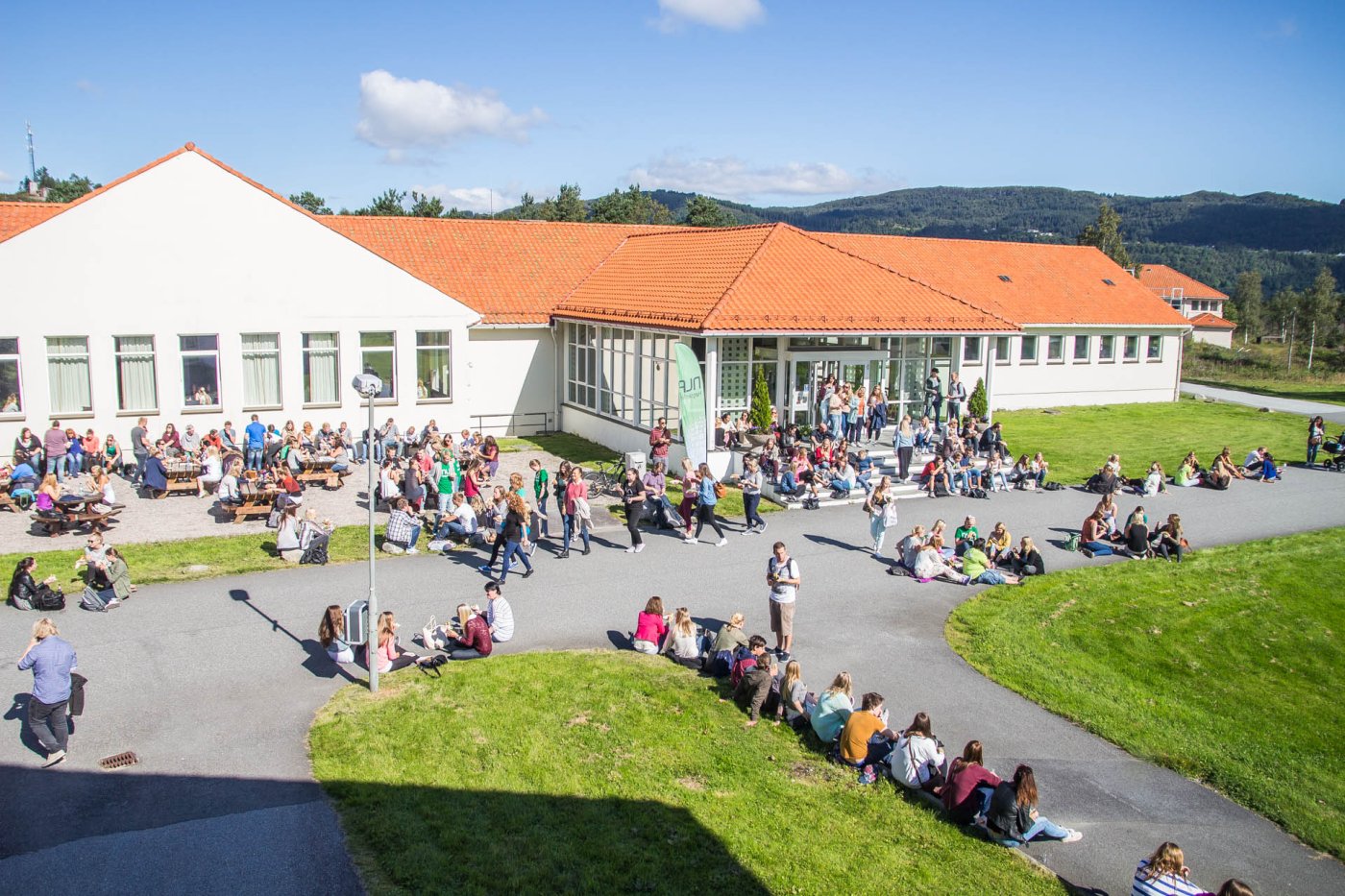
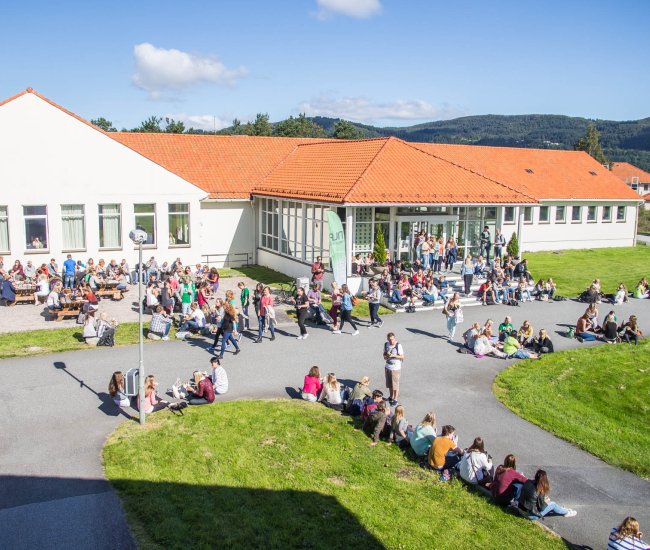
It started modestly – with a hundred teacher students, a few employees and a building that needed a spirit of voluntary work. In the spring of 1996, everything was ready at Breistein outside Bergen, where NLA established the country's first Christian teacher training college since the war. At that time, everything was about faith, courage and the will to build something completely new.
Bjarne Kvam, who was the school's first principal, stood together with the teachers and screwed together furniture for the classrooms. The entire staff could gather around one table for lunch, and every conversation became a teacher meeting. It was an environment where everyone knew that the school stood and fell on the efforts of each individual.
The road there was anything but easy. Between 1994 and 1996, the application for state approval went back and forth between the ministry and various committees, and ideological questions were asked along the way. Nevertheless, the enthusiasts stood firm – and the day before the start of school, the all-clear finally came. They had gambled, but won.
Since then, teacher education has grown to around a thousand students and become part of NLA University College. Nevertheless, many would argue that the most important thing is still intact: closeness. That the students feel seen and valued. NLA will train teachers who know what they stand for – professionally, ethically and in terms of values. That is our heritage and our mission.
In 2010, the Teacher Training College merged with NLA University College in Sandviken, which had already been established in 1968. After 30 years, teacher education at NLA stands firmly on the foundation of idealism and community that was laid at the Teacher Training College at Breistein, and which has continued to the premises in Kalfaret.