

.jpg)
The Bridge-Ukraine project will last for three years and aims to strengthen digital competence in Ukrainian journalism. Courses in entrepreneurial journalism and the ethical use of artificial intelligence will be developed for both journalism students and active journalists in Ukraine.
The project also includes research, training in digital teaching tools, and support for journalism teachers so that they can provide psychosocial support to students affected by the war.
One of 16 projects
The NLA project is one of 16 projects that receive support through HK-dir's Nansen EDU announcement. In total, 76 projects applied for support, resulting in a success rate of 22 percent. Each project is allocated around five million kroner.
According to a press release from the Ministry of Education, the program will help meet competence needs in Ukraine and thus strengthen the country's resilience against the Russian war of aggression, as well as support the long-term reconstruction of the country.
– Ukrainian universities have shown an impressive ability to maintain operations under very difficult conditions. Through Nansen EDU, the government strengthens cooperation between academic communities in Ukraine and Norway, which will help develop the skills needed for the long-term reconstruction of the country, says Sigrun Aasland.
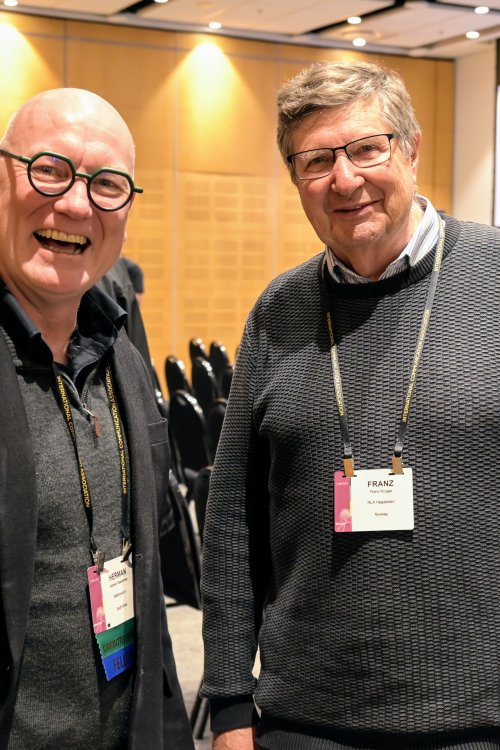
Bridge-Ukraine will be led by Associate Professor Franz Krüger at NLA's Department of Journalism, Media and Communication.
Collaboration with universities throughout Ukraine
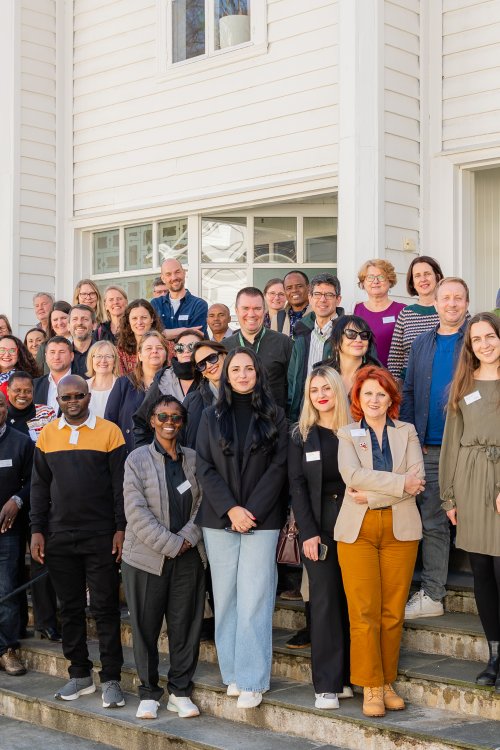
Partner institutions include Mariupol State University, which was forced to move to Kyiv after the destruction in Mariupol, and Sumy State University, which is located near the front line. In addition, Kyiv Metropolitan University, Taras Shevchenko National University, and Uzhhorod State University in the west of the country are participating.
The Swedish partner is the Fojo Media Institute at Linnaeus University in Kalmar, which has extensive experience in collaborating with Ukrainian journalism education programs. The project also has support from the European Journalism Training Association, the Ukrainian Commission for Journalistic Ethics, and the National Union of Journalists of Ukraine.
War and digital transformation
The project application points to the challenges the war has created for both media and universities in Ukraine. Large parts of the teaching have had to be moved to digital platforms, which has made the practical part of the education more demanding. At the same time, Russian disinformation poses a persistent threat.
The transition to digital media also affects Ukrainian media in the same way as in the rest of the world.

.jpg)
.jpg)



.jpg)







.jpg)